Ottawa Itineraries: An Overview of How to Spend Your Time
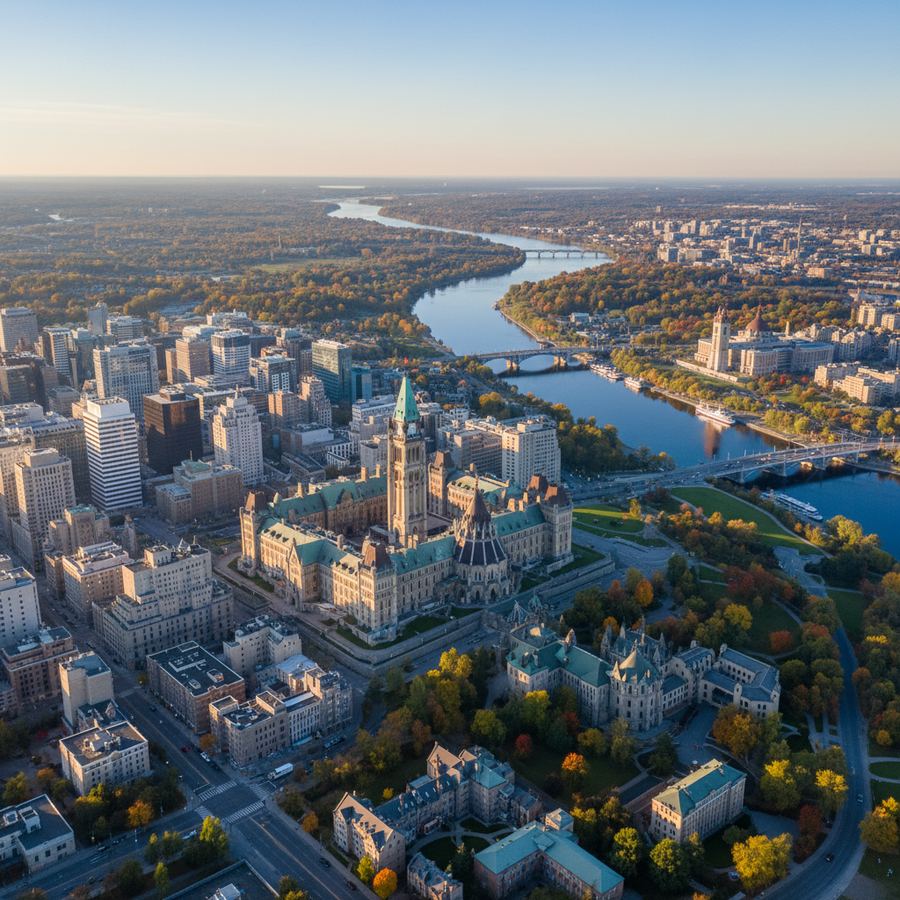
Ottawa is a city that rewards planning but does not demand it. The major attractions are clustered close together, the neighbourhoods are walkable, and the pace is relaxed enough that you can adjust on the fly without feeling like you are missing out. Still, having a loose itinerary helps, especially if your time is limited.
This guide collects our recommended approaches for different trip lengths, from a single day to a full long weekend. Think of these as frameworks rather than rigid schedules. The best Ottawa trips leave room for detours.
One Day in Ottawa
A single day is tight but workable if you focus on the downtown core. The goal is to see the essentials without rushing so much that you do not enjoy any of them.
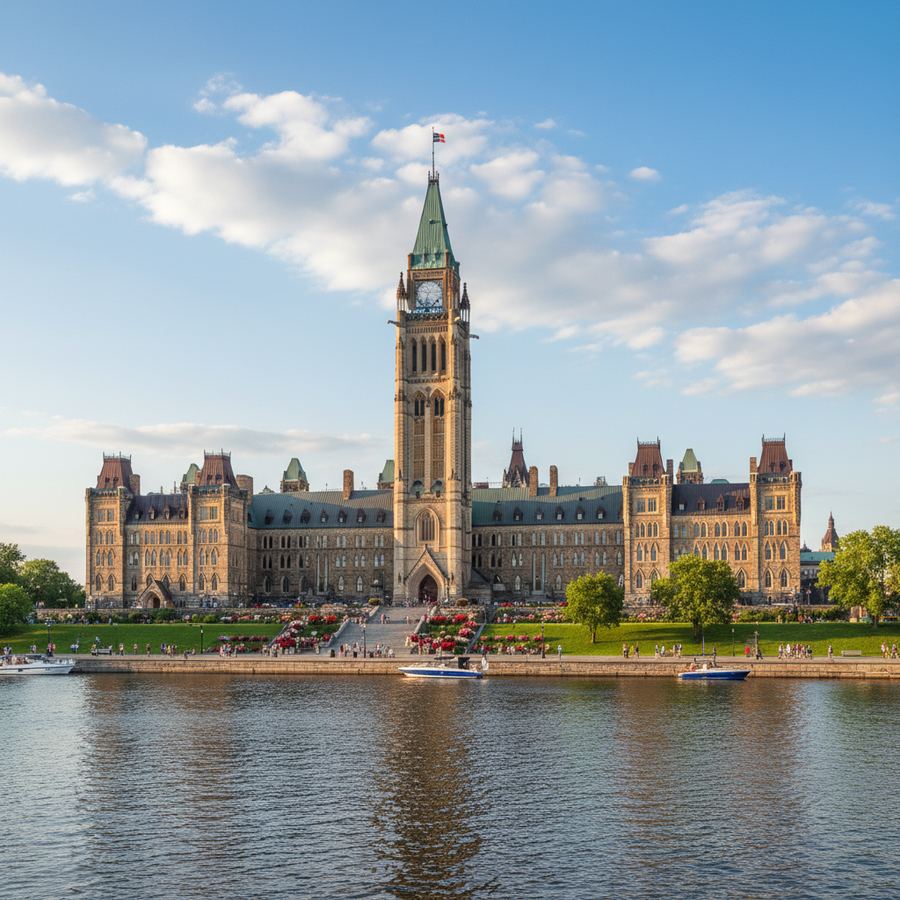
Morning: Start at the Rideau Canal locks below Parliament Hill. Watch the boats (or skaters, depending on season) and take in the view of the Chateau Laurier and the river. Walk through Major's Hill Park to the National Gallery of Canada. Even if you only have an hour inside, the Canadian and Indigenous art collections on the upper floors are worth the stop.
Midday: Walk south to the ByWard Market for lunch. The market building has quick options, and the surrounding streets offer everything from pho to pub food to proper sit-down meals. After lunch, walk west along Wellington Street past Parliament Hill. If a tour is running and the line is short, take it. If not, the exterior and the grounds are worth seeing on their own.
Afternoon: Cross the Alexandra Bridge to Gatineau for the Canadian Museum of History. The Grand Hall alone is worth the trip, and the permanent exhibits on Canadian history are comprehensive and well-presented. Budget ninety minutes minimum.
Evening: Return to Ottawa for dinner. Elgin Street or the ByWard Market both offer good options within walking distance of the bridge. Our one-day itinerary covers this route in more detail.
Two Days in Ottawa
Two days is the sweet spot for a first visit. You can cover the highlights without the rushed feeling of a single day, and you have time to explore at least one neighbourhood beyond the tourist core.
Day one follows the one-day itinerary above, with more breathing room. Spend a full morning at the National Gallery. Take a longer lunch in the market. Give the Museum of History its due with a two-hour visit. End with a proper dinner rather than a quick bite.
Day two shifts to neighbourhoods and the canal. Start with a walk or cycle along the Rideau Canal from the downtown locks toward Dow's Lake. Stop in the Glebe for coffee and a browse through the shops on Bank Street. If the weather is warm, rent a kayak or paddleboat at Dow's Lake. In the afternoon, head to Westboro or Hintonburg for the restaurant scene and the Ottawa River views. Our walkable weekend guide covers this kind of itinerary in depth.
Two days also gives you the flexibility to visit a second museum. The Canadian War Museum is excellent and often less crowded than the bigger institutions. The Museum of Nature appeals to families and anyone with an interest in the natural world.
Three Days or a Long Weekend
With three days, Ottawa opens up. You have time for the main attractions, the neighbourhoods, and something more personal, whether that is a deep dive into a museum, a day trip outside the city, or simply spending an afternoon doing nothing in particular at a canal-side cafe.
Day one: The downtown core. Parliament, the canal, the National Gallery, the ByWard Market. This is your orientation day, when you get the lay of the land and see the landmarks.
Day two: Go deeper. Pick a neighbourhood and spend the morning there. The Glebe, Westboro, and Hintonburg are all strong choices. After lunch, visit a museum you missed on day one, or return to one that deserved more time. Evening is for a restaurant you have been eyeing.
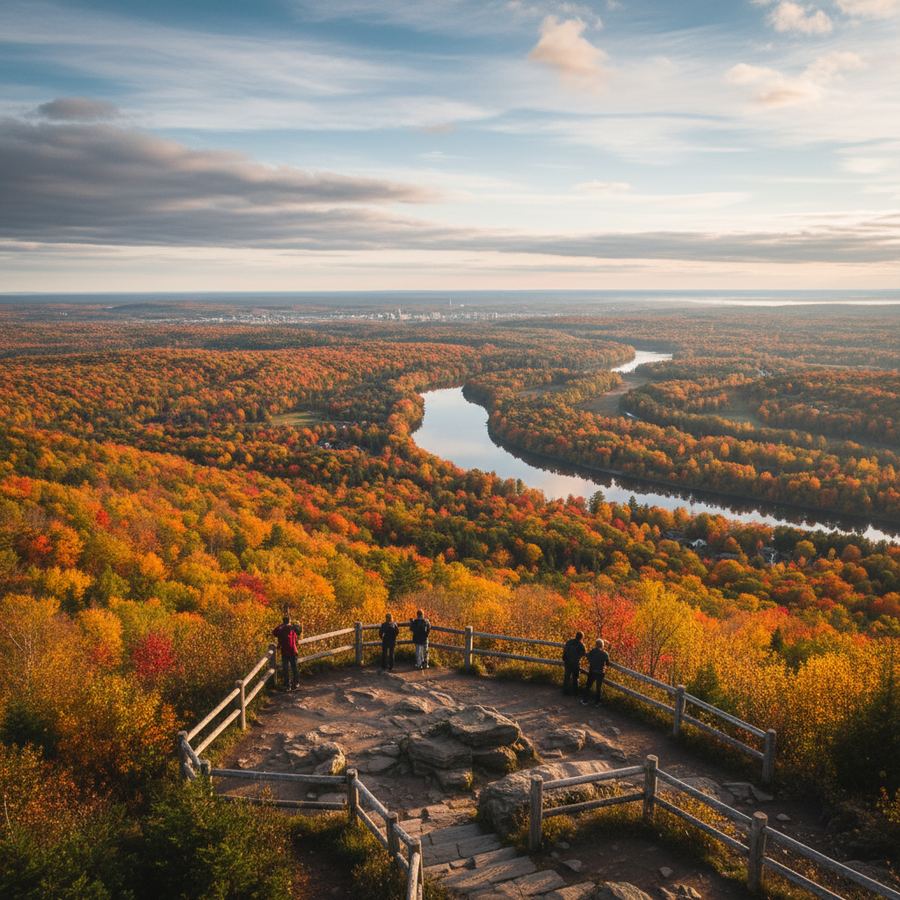
Day three: Leave the city. The options for day trips from Ottawa are excellent. Merrickville, a small heritage town on the Rideau Canal, is about an hour south and makes a charming half-day trip. The Gatineau Hills offer hiking in summer and fall, with views that rival anything in the region. Almonte, about forty-five minutes west, has a growing food scene and a beautiful riverside setting.
Alternatively, use day three for something more relaxed. Sleep in, have a long brunch, walk a section of the canal or the river path you have not explored, and visit a neighbourhood that caught your attention earlier in the trip. Ottawa rewards this kind of unstructured time.
Seasonal Adjustments
The frameworks above work year-round, but the details shift with the seasons.
Winter: Replace canal walking with canal skating (when conditions allow). Add Winterlude activities in February. Lean more heavily on museums and indoor dining. Bundle up and embrace the cold for at least part of each day. Our winter guide has specific advice.
Spring: The Tulip Festival in May is a major draw. Build time around Dow's Lake and Commissioners Park. The canal path is beautiful as the trees come back to life.
Summer: Outdoor time expands. Patios open, the canal is full of boats, and festivals run nearly every weekend. A summer day on the canal is one of the best experiences the city offers. Plan for heat and humidity in July and August.
Fall: The Gatineau Hills peak colour usually hits in early to mid-October, and it is spectacular. The city itself feels quieter after Labour Day, with lower prices and fewer crowds. This is arguably the best season for a first visit.
Itineraries by Interest
Beyond trip length, your interests should shape your time. Here are a few themed approaches.
History and government: Parliament Hill tour, Canadian Museum of History, Canadian War Museum, a walk through Sandy Hill's historic homes, and the Bytown Museum near the canal locks. Two days minimum.
Art and culture: National Gallery (half day minimum), Ottawa Art Gallery, gallery walks in the market, Chamberfest or the jazz festival if timing aligns, and the smaller galleries scattered through Hintonburg and Westboro.
Food focused: Wellington West for the restaurant corridor, the ByWard Market for variety, Elgin Street for a local dining strip, and a trip across to Gatineau for French-Canadian cooking. See our guide on choosing your base by travel style.
Family trip: Museum of Nature, the canal (skating or boating depending on season), the ByWard Market for kid-friendly meals, and Jacques-Cartier Park in Gatineau for outdoor play. Our family weekend guide covers the details.
Outdoor focused: The Rideau Canal path, the Ottawa River Parkway, hiking in the Gatineau Hills, cycling (bike rentals are widely available), and a day trip to a conservation area or provincial park within an hour of the city.
Practical Tips for Any Itinerary
A few things apply regardless of how long you are staying or what you plan to do.
Walk as much as possible. Ottawa's downtown is compact, and you will see more on foot than from a car or bus window. Wear comfortable shoes and expect to cover eight to fifteen kilometres a day without trying.
Do not skip meals. Eating well is part of the Ottawa experience, and rushing through lunch to fit in another attraction is a trade-off that rarely pays off. Some of the best moments on an Ottawa trip happen at the table.
Check museum hours before you go. Many Ottawa museums are closed on Mondays, and hours can vary seasonally. A quick check the morning of saves the frustration of arriving at a locked door.
Build in buffer time. Ottawa's weather can be unpredictable, especially in spring and fall. Having a flexible schedule means a sudden rain shower rearranges your day rather than ruining it.
Start Here, Then Make It Yours
These itineraries are starting points. The best version of your Ottawa trip will be the one you adjust as you go, adding things that catch your eye and dropping things that do not appeal once you are on the ground. The city is forgiving that way. Stay central, keep your plans loose, and let Ottawa show you what it has. It is more than most people expect.