Planning a Weekend in Ottawa: A Simple Approach
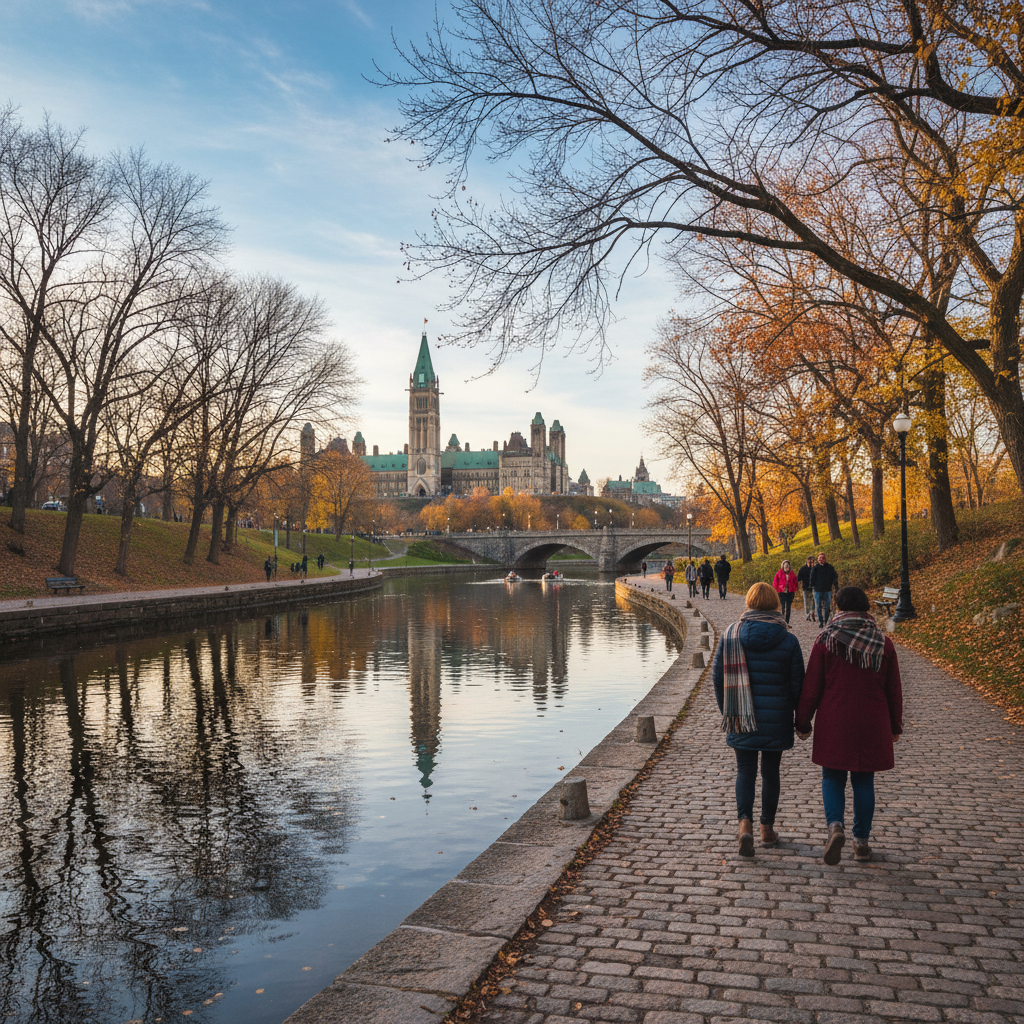
Planning a weekend trip should not require a spreadsheet. Ottawa is one of those cities where a simple plan works better than a detailed one, because the best experiences tend to happen between the scheduled stops. A wrong turn through a neighbourhood you had not considered, a restaurant you wander into because it looks good through the window, a canal-side bench where you sit longer than expected: these are the moments that define a good Ottawa weekend.
That said, a bit of structure helps. Here is a straightforward approach to planning two or three days in the capital, with enough guidance to keep you on track and enough flexibility to let the city surprise you.
Step 1: Pick Your Season
Ottawa is a four-season city, and the experience varies dramatically depending on when you visit. Summer (June to August) brings warm weather, outdoor patios, and festivals. Winter (December to March) delivers canal skating, Winterlude, and a cozy, snow-covered cityscape. Spring and fall are the shoulder seasons, with fewer crowds, lower prices, and their own rewards: tulips in May, fall colours in October.
Each season is genuinely worth visiting for, but your season choice will shape what you do and where you stay. Our seasonal guide goes deeper on what each time of year offers. For your first trip, summer and early fall are the easiest seasons to plan around, but do not sleep on winter. Ottawa in the cold is a unique experience.
Step 2: Choose a Base
Where you stay matters more than what you plan. A good base in Ottawa means you can walk to most of what you want to see, pop back for a rest in the afternoon, and head out again for dinner without needing a car or figuring out transit.
For most weekend visitors, the ByWard Market or downtown Centretown is the right call. Both areas put you within walking distance of Parliament Hill, the Rideau Canal, the National Gallery, and a solid concentration of restaurants. If you prefer a neighbourhood feel, the Glebe is a strong alternative, trading central proximity for charm and a more local vibe.
Our detailed neighbourhood guide breaks down the options, but the short version is: stay central on your first visit, explore the outer neighbourhoods once you are there.
Step 3: Build a Loose Framework
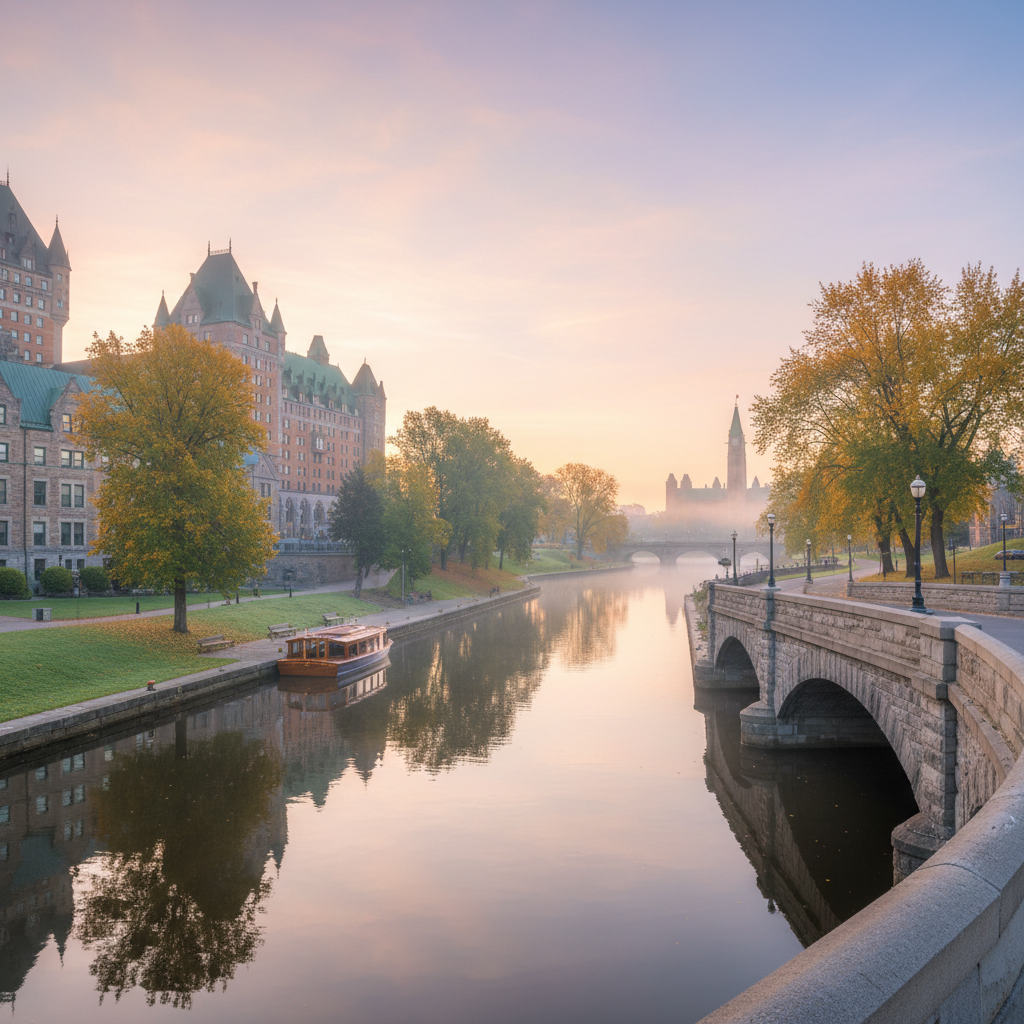
The best Ottawa weekends follow a simple pattern: one or two anchors per day, with open time around them. An anchor is something specific you want to do or see. Open time is when you wander, eat, and discover things on your own.
Here is what a typical two-day weekend might look like.
Day one: Start with the canal and Parliament Hill in the morning. Walk through the ByWard Market for lunch. Spend the afternoon at a museum (the National Gallery or the Canadian Museum of History are the best for a first visit). Dinner in the market or on Elgin Street.
Day two: Explore a neighbourhood. The Glebe, Westboro, or Hintonburg are all excellent choices. Browse the shops, find a good coffee spot, and eat lunch somewhere local. In the afternoon, walk along the canal or the Ottawa River path. If the weather cooperates, this is a good day for a patio.
If you have a third day, use it for a day trip to one of the small towns or natural areas outside the city, or dive deeper into something you discovered on the first two days. Ottawa rewards return visits to places you liked.
Step 4: Do Not Over-Plan the Food
Ottawa's restaurant scene is better than its reputation. The city has excellent dining at every price point, from casual market stalls to refined dining rooms. But here is the thing: you do not need to research and reserve every meal in advance. Pick one or two restaurants that genuinely interest you and book those. For everything else, walk around, look at menus, and trust your instincts.
A few reliable areas for finding good food without advance planning: the ByWard Market (huge selection, variable quality, but the good places are very good), Elgin Street (consistent quality, more local crowd), Wellington West through Hintonburg and Westboro (the city's most interesting dining corridor), and Bank Street through the Glebe (strong cafes and casual restaurants).
If you are visiting on a weekend, brunch is a thing in Ottawa. The city does it well, and you will find lineups at the popular spots by eleven o'clock. Either go early or be prepared to wait. It is usually worth it.
Step 5: Get the Logistics Right
Getting there: Ottawa is about four and a half hours from Toronto and two hours from Montreal by car. The train from both cities is comfortable and drops you downtown. The airport is small and easy to navigate, about twenty minutes south of the city centre.
Getting around: If you stay centrally, you can walk to almost everything. The LRT runs through the downtown core and connects a few key points. For reaching the outer neighbourhoods like Westboro, buses are frequent and reliable. A car is unnecessary for a downtown-focused weekend but helpful if you plan day trips.
Budget: Ottawa is slightly less expensive than Toronto but more expensive than Montreal for accommodation. A decent hotel downtown will run between $150 and $300 per night depending on the season and day of the week. Midweek rates are noticeably lower. Dining ranges from $15 casual meals to $80-plus tasting menus, with a strong middle ground around $25 to $45 for a good dinner.
Step 6: Know What to Skip
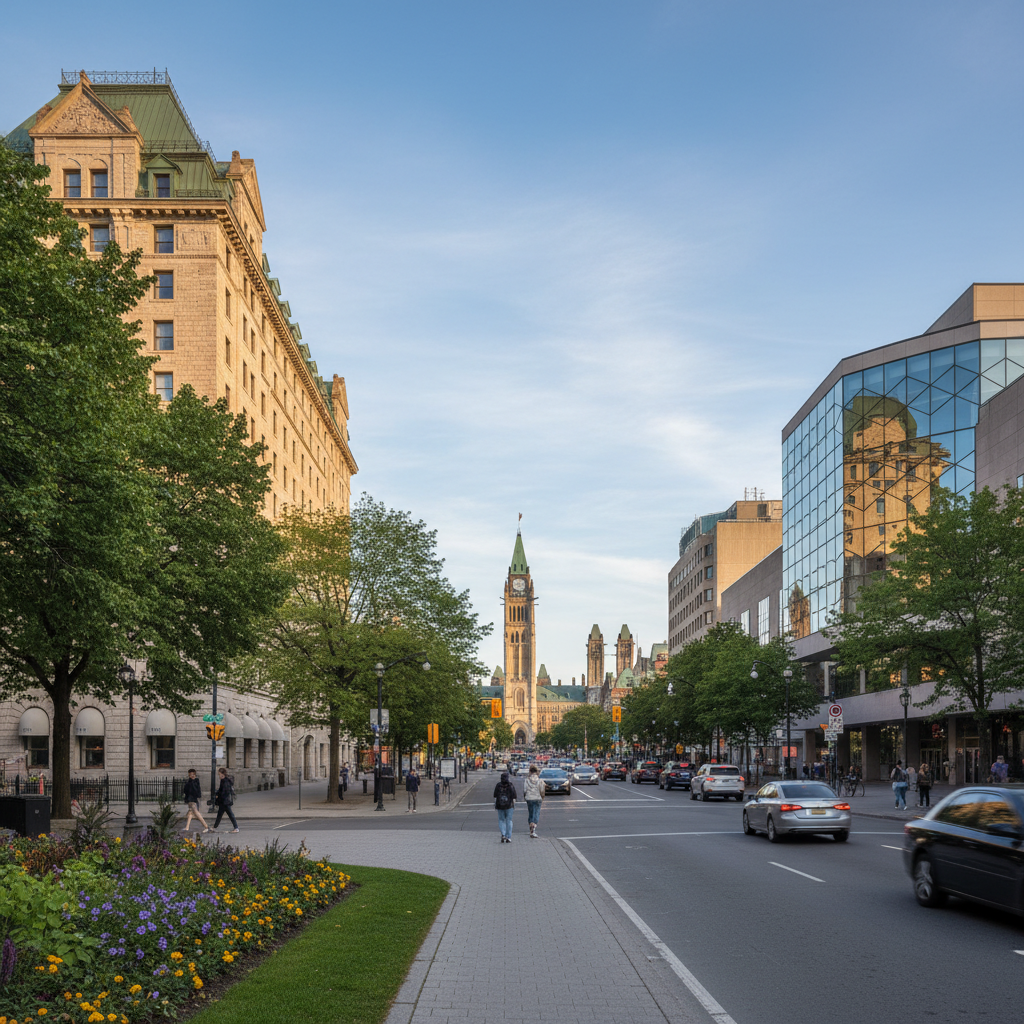
This is where honest planning helps. You do not need to see everything in Ottawa on a single weekend. The Parliament tour is interesting but not essential, especially if the line is long. The Diefenbunker is cool but far from downtown and eats half a day. The Casino du Lac-Leamy is fine if that is your thing, but it is not a destination.
Focus on what appeals to you personally. If you love art, the National Gallery deserves a long visit. If you prefer being outdoors, skip the museums and spend your time on the canal path, in the Gatineau Hills, or walking the neighbourhoods. If food is your priority, plan your days around restaurant neighbourhoods and allocate more time for meals.
The biggest mistake weekend visitors make is trying to check every box. Ottawa is best experienced at a moderate pace, with time to sit, watch, and absorb the atmosphere. You will see more by slowing down than by rushing from one attraction to the next.
Step 7: Leave Room for Weather
Ottawa weather can shift quickly, especially in spring and fall. Have a backup plan for rain or unexpected cold. Museums are the obvious wet-weather option, and the Canadian Museum of History alone can fill a rainy afternoon. Shopping in the Glebe or the market works too, and Ottawa's cafe scene is strong enough to make a long coffee stop feel like an activity rather than a fallback.
In winter, plan for the cold but do not hide from it. Dress properly, schedule outdoor time in the morning when your energy is highest, and balance it with indoor stops. A good winter weekend in Ottawa alternates between canal skating and museum visits, cold walks and warm restaurants.
The Simple Version
Pick a season. Book a central hotel. Plan one or two things per day. Walk a lot. Eat well. Leave time for surprises. That is it. Ottawa is a city that works best when you let it unfold at its own pace, and a simple plan is all you need to have a genuinely good weekend here.
For more detailed itineraries, see our itineraries overview, or check our 48 hours in Ottawa guide for a more structured approach.